
Leukemia and lymphomas are related cancers of the blood and immune systems that are evaluated and treated by hematologists or blood cancer specialists.
Leukemia
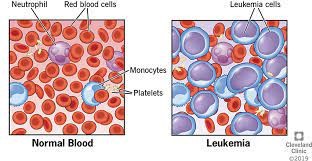
Leukemia is a cancer that originates in the blood or immune cells of the bone marrow. Leukemias are classified as acute/aggressive leukemias and chronic/indolent leukemias. They may originate from one of many families of cells that develop in the bone marrow. In Malaysia, leukemias are the 6th commonest type of cancer.
Examples of acute leukemias include Acute Myeloid Leukemia (AML) and Acute Lymphoblastic Leukemia (ALL); examples of chronic leukemias are Chronic Myeloid Leukemia (CML), Chronic Lymphocytic Leukemia (CLL), and Chronic Myelomonocytic Leukemia (CMML).
Acute leukemias require urgent treatment because they make us quite ill very quickly and there is a high risk of developing serious complications. Chronic leukemias causes symptoms more gradually and may be present for many months before they cause symptoms. A full blood count is a simple laboratory test that can indicate the presence of a leukemia.
Leukemia is caused by a combination of mutations in bone marrow cells that cause a cell to become cancerous. Risk factors like age, radiation exposure, inherited repairs of DNA repair, and previous chemotherapy increase the chances of an individual developing leukemia. Some leukemias like CLL are more common in first degree relatives of individuals who have CLL.
Most often, leukemia results in an increased white blood cell count, with reduced hemoglobin and platelets. Fever and infections due to poor immunity, as well as bleeding symptoms (bruising, gum bleeds) may occur. Many chronic leukemias are accompanied by enlargement of the spleen which can be felt below the left upper abdomen.
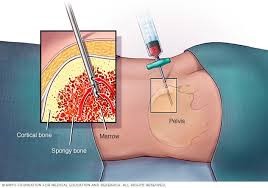
Leukemia requires a bone marrow biopsy for accurate diagnosis. This is a simple procedure performed using a local anesthetic with some mild sedation to extract some marrow and a core of bone from the pelvic bone. Analysis of the sample allows the subtype of leukemia to be determined and can also identify if targeted therapy may be useful to treat the individual.
The treatment of acute leukemia is with intensive chemotherapy. This usually requires hospitalization for 1 – 3 weeks per cycle of treatment. If successful, a bone marrow transplant using donor (siblings/ family members) stem cells may be required to prevent the leukemia from recurring. Treatment may take 4 – 8 months to complete.
Frail individuals may be candidates for targeted therapy with low intensity chemotherapy if they are not able to tolerate intensive chemotherapy.
Chronic leukemias usually do not require intensive chemotherapy. Moderately intensive chemotherapy or targeted therapy in the form of continuous oral/tablet therapy can be used for many chronic leukemias. Some patients with chronic leukemias may not require immediate treatment and can be observed and monitored in the early stages until symptoms develop that require treatment.
Lymphoma
Lymphoma is the 4th commonest cancer in Malaysia. It is a malignancy that develops from our immune cells, which consist of B, T, and NK lymphocytes. Therefore, lymphomas are classified as B, T, and NK cell lymphomas.
Risk factors for developing a lymphoma include advanced age, viral infections like Epstein-Barr virus, chronic infections like Helicobacter pylori infection in the stomach, and autoimmune conditions.
B cell lymphomas are the commonest lymphoma type; most are classified as non-Hodgkin lymphomas (NHL) although one special subtype exists called Hodgkin lymphoma (HL). HL was originally classified separately from the B-cell NHLs because scientists were not sure what their cell of origin was. It is also unique because of its extremely successful cure rates.
T cell lymphomas are less common but more frequently encountered in Asia then in Western countries.
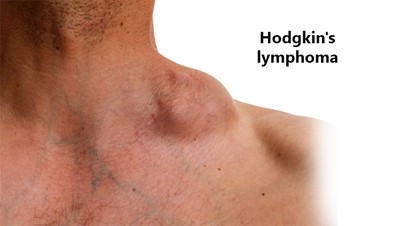
All types of lymphoma can cause swollen lymph nodes, fever, weight loss, and fatigue. Sometimes, anemia (low hemoglobin) occurs causes tiredness.
Similar to leukemias, lymphomas may be classified as aggressive or indolent in their behaviour. Aggressive lymphomas (eg Diffuse Large B cell Lymphoma, DLBCL) cause more rapid and severe symptoms and usually need early treatment but are often curable with treatment. Indolent lymphomas (eg Follicular Lymphoma, FL) may only cause mild symptoms that worsen very slowly and can be well controlled with treatment but have a tendency to recur in later years.
Lymphoma confirmation requires a biopsy of a lymph node or sometimes the bone marrow for accurate analysis. Once a diagnosis is confirmed, a CT scan or PET-CT scan is useful to identify the organs involved to determine the stage of the cancer.

Lymphomas can be treated with immunotherapy, chemotherapy, targeted therapy and radiation therapy. The commonest treatment strategy for B-NHL is a combination of chemo- and immunotherapy for a number of cycles over 5 – 6 months. Lymphoma has a good cure rate compared to many other cancers, even at advanced stages like Stage IV.

Sometimes, a stem cell transplant using the patient’s own stem cells is required to prevent the cancer from growing back after treatment.
For resistant or relapsed lymphomas, either intensified chemotherapy or cellular therapy in the form of CAR T cell therapy and other immunotherapies are being researched and utilized.
Take Home Message
Do not ignore symptoms such as persistent fever, fatigue or unusual bruising or bleeding. Unexplained persistent symptoms like breathlessness, persistent pain, weight loss or enlarging lymph nodes could indicate the presence of leukemia or lymphoma and should prompt you to see your family doctor or a specialist. for evaluations and simple blood tests.